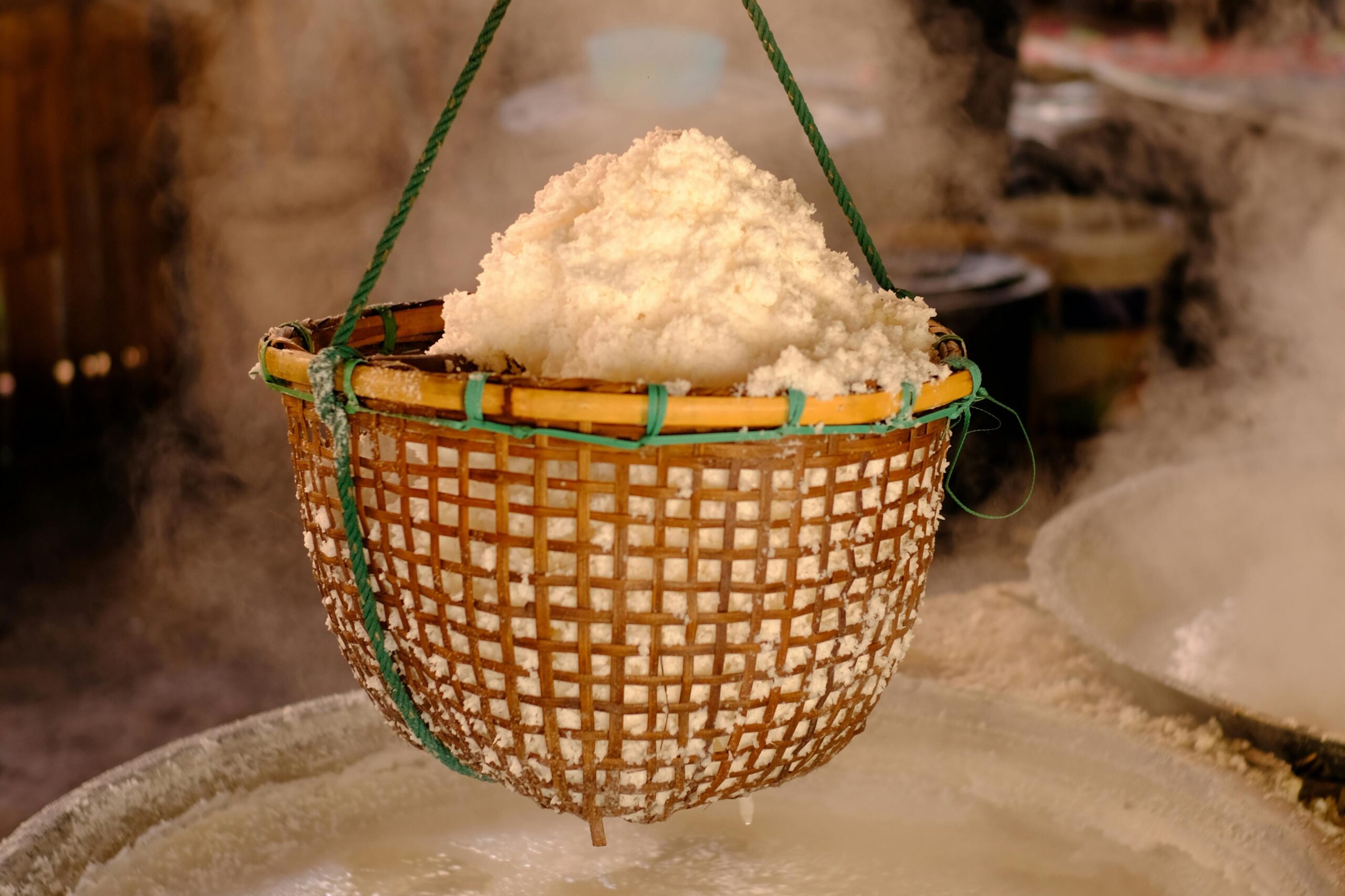
Salt is a common and effective tool for melting ice, controlling weeds, or even as an ingredient in household cleaning recipes. However, it is far from a universal solution. There are specific materials, situations, and living things that do not tolerate salt well. Understanding when not to use salt, how to rinse surfaces properly, and how to protect pets and plants will help you avoid damage and reduce environmental impact.
Surfaces That Can Be Damaged by Salt
Salt can cause both chemical and physical damage. Avoid using salt on these surfaces:
- Marble and limestone — These are calcium carbonate stones that can etch and discolor when exposed to salts and salty water. Even diluted brine can accelerate deterioration.
- Certain wood finishes — Salt can absorb moisture, swell wood fibers, and strip or cloud delicate finishes, especially oil-based or shellac coatings.
- Delicate fabrics and upholstery — Salt can leave white stains, cause fibers to stiffen, and promote abrasion when rubbed. Silk, suede, and some natural fibers are particularly vulnerable.
- Painted metals and vehicles — Repeated salt exposure promotes corrosion and paint flaking; road salt is a common cause of rust on cars and outdoor fixtures.
Rinsing Requirements and Best Practices
When you must use salt near sensitive areas, thorough rinsing and follow-up care are essential:
- Rinse hard surfaces (concrete, stone, metal) with clean water as soon as it is safe to do so to remove lingering chloride ions. This reduces long-term corrosion and staining.
- For wood decks and furniture, sweep up salt crystals and rinse gently with water; allow to dry fully and reapply protective finish if needed.
- Fabrics exposed to salt should be brushed gently to remove dry crystals, then rinsed or laundered according to care labels. Use cold water first—hot water can set some stains.
- If salt has been used indoors (for example, to increase traction in an entryway), vacuum and then mop the area with a mild detergent solution and rinse with clean water.
Safe Use Around Pets and Plants
Salt can be toxic or harmful to animals and vegetation. Take these precautions:
- Keep pets away from salted areas until surfaces have been rinsed or until labels indicate pet-safe formulations.
- Wipe pets’ paws after walks to remove salt and grit; ingesting even small amounts repeatedly can cause gastrointestinal upset or salt toxicity.
- Avoid piling salted snow next to shrubs or garden beds; runoff increases soil salinity, which reduces water uptake and can kill sensitive plants.
- To protect plants, create buffer zones or physical barriers, use less harmful alternatives near vegetation, or rinse foliage and the root zone with fresh water in spring to flush accumulated salts.
Alternatives and When to Choose Them
If you are dealing with delicate materials, pets, or garden areas, consider alternatives to common sodium chloride:
- Sand or non-clumping kitty litter for traction where melting is not necessary.
- Calcium magnesium acetate (CMA) or potassium acetate — these are typically less damaging to concrete and plants, though they can be more expensive.
- Heated mats or manual snow removal — for walkways next to sensitive surfaces, physical removal is often the safest option.
Emergency Steps and Practical Tips
If a pet has ingested a significant amount of salt or is showing symptoms (vomiting, excessive thirst, tremors, seizures), call your veterinarian or an animal poison control center immediately. For plants showing salt stress (brown leaf margins, wilting), leach the soil with generous fresh water and avoid further salt exposure.
General practical tips:
- Use the minimum effective amount—more is not better and causes more harm.
- Store salt products out of reach of children and animals and in sealed containers to limit humidity pickup.
- Read and follow manufacturer instructions; some products are labeled as pet- or plant-friendly and have specific dilution and rinsing guidance.
- Inspect sensitive surfaces seasonally and perform maintenance (sealing stone, refinishing wood) to reduce long-term vulnerability.
Salt is useful, but not universally safe. By recognizing fragile surfaces, rinsing appropriately, protecting animals and plants, and choosing alternatives when necessary, you can manage ice and other problems without creating new ones. When in doubt, test small hidden areas first or consult a professional for high-value or historic materials.





4 Comments