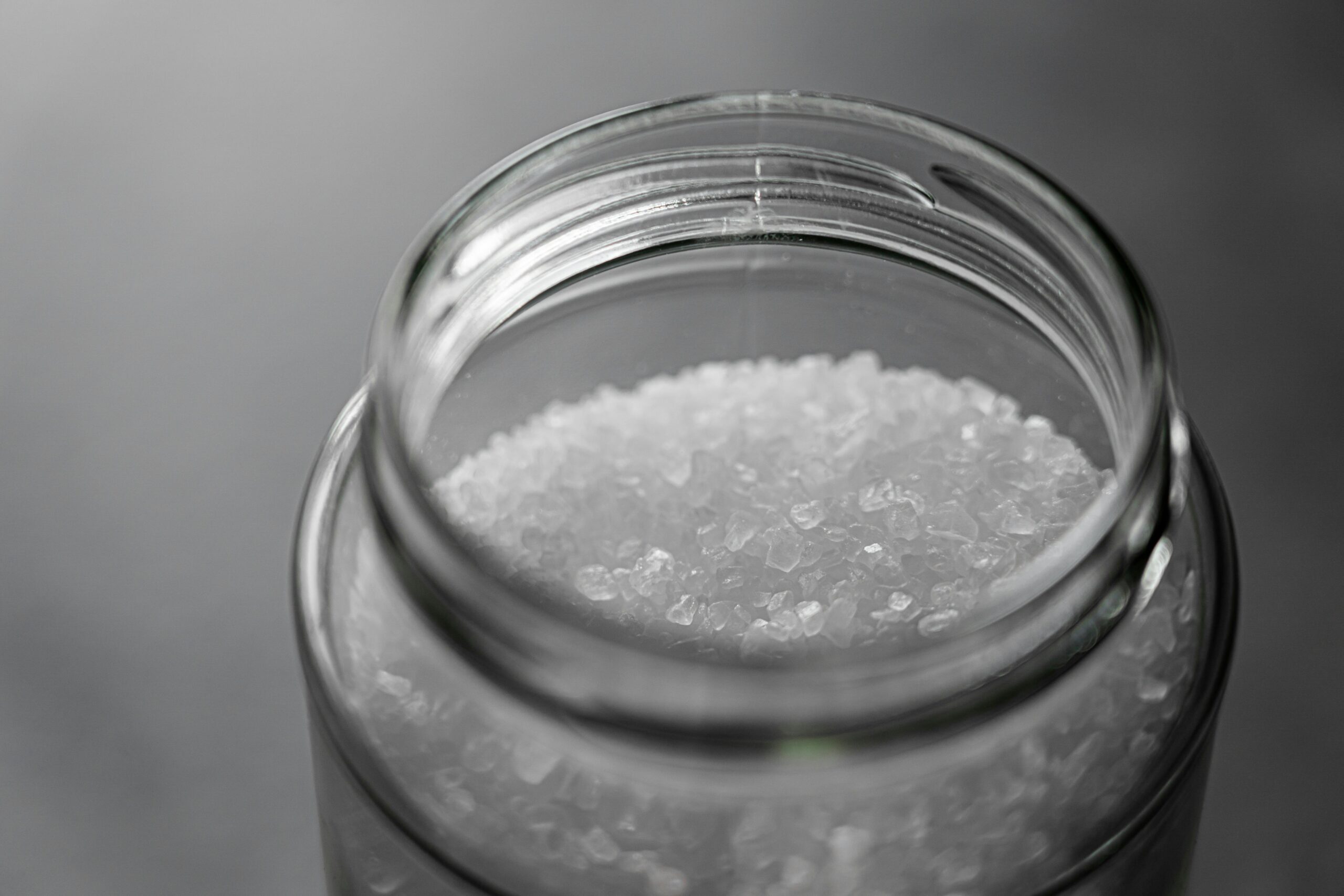
Salt is an inexpensive, widely available cleaning aid that can help absorb and lift grease from pans, stovetops, and fabrics. When used alone or combined with hot water, vinegar, or lemon, salt’s gritty texture and mild desiccating action make it a handy first-response cleaner. Below are practical, material-specific techniques, safety notes, and spot-test advice so you can use salt effectively without damaging surfaces.

General principles
Salt works in two primary ways: as an abrasive to help physically dislodge greasy residues, and as an absorbent that pulls fresh oil away from a surface. Acids (vinegar, lemon) break down grease chemically, so combining them with salt can increase effectiveness. Always start with the least aggressive approach and test in a hidden spot before broader application.
Spot-test advice (essential)
- Pick a small, hidden area of fabric or surface (inside hem, under lip of stovetop, underside of pan rim).
- Apply the cleaning method you plan to use and wait 10–15 minutes.
- Rinse and dry the test area and inspect for discoloration, finish damage, or fabric weakening.
- If any change is visible, do not proceed with that method on the whole item. Adjust concentration, time, or choose a gentler approach.
Pans (stainless steel, cast iron, enamel, non-stick)
- Fresh grease: While the pan is still warm (not hot enough to burn), sprinkle a generous layer of salt. Let it sit for 5–10 minutes to absorb excess oil, then wipe with a paper towel or soft cloth. Repeat if necessary.
- Stuck-on, cooked-on grease (stainless/enamel): Add enough hot water to cover the greasy area and bring to a gentle simmer. Stir in a few tablespoons of salt and simmer for 5–10 minutes. Turn off heat, let cool slightly, then scrub with a nylon pad or wooden spatula. Rinse and dry.
- Cast iron: Do not soak cast iron in vinegar for long periods — acid can strip seasoning. For stuck food, pour hot water into the pan, add a tablespoon or two of salt, and scrub with a stiff brush. Rinse, dry immediately, and reapply a thin layer of oil to restore seasoning.
- Non-stick: Avoid heavy scrubbing. For light grease, wipe with a cloth and salt, then rinse with hot soapy water. Do not use abrasive scrubbing with salt on a damaged non-stick surface.
Stovetops (gas grates, ceramic glass, stainless surfaces)
- Gas grates and metal burners: Remove grates and sprinkle salt on stubborn greasy spots, then scrub with a brush or pad. For heavy buildup, make a paste with salt and a small amount of white vinegar, apply, let sit 10–15 minutes, then scrub and rinse.
- Ceramic/glass tops: Use salt sparingly as a mild abrasive. Sprinkle salt on the greasy spot, pour a little white vinegar or lemon juice to make a paste, let it sit 5–10 minutes, and wipe with a soft cloth. Avoid metal scouring pads that can scratch the surface.
- Stainless surfaces: Salt plus a little warm vinegar can help cut grease. Wipe along the grain, rinse with warm water, and buff dry to avoid pitting from prolonged salt contact.
Fabrics (clothing, linens, upholstery, carpets)
- Fresh grease on clothing: Blot away excess oil with a paper towel. Generously cover the stain with salt and let sit 5–10 minutes to absorb oil. Gently brush off salt, then treat with liquid detergent and launder in the warmest water safe for the fabric.
- Set-in grease: For tougher stains, make a paste of salt and lemon juice or white vinegar. Apply to the stain, let sit 15–30 minutes, then rinse and wash. Repeat as needed, and always spot-test, especially for colors that may fade from acid.
- Upholstery and carpets: Blot up excess grease, cover with salt to absorb, leave 20–30 minutes, then vacuum. For remaining residue, lightly dab a diluted vinegar solution (1 part vinegar to 3 parts water) onto the area and blot. Rinse with a cloth dampened in plain water and blot dry. Test first to ensure colorfastness.
- Delicate fabrics (silk, wool): Avoid acidic solutions and abrasive scrubbing. Use salt-only absorption for fresh oil and consult a professional for set stains.
Combining salt with vinegar or lemon — how and why
Vinegar and lemon add acidity that helps break down grease molecules. Salt provides a scrubbing action and absorbs loosened oil. Make a paste (roughly 2 parts salt to 1 part vinegar or lemon juice) for stovetops and durable surfaces. Let it sit for 5–20 minutes depending on severity, then scrub gently and rinse. Never combine vinegar or lemon with bleach or products that contain bleach.
Safety and finish care
- Always wear gloves if you have sensitive skin or will be scrubbing for extended periods.
- Avoid prolonged salt contact on soft metals (aluminum) and untreated wood, as it can cause corrosion or drying.
- Rinse thoroughly after cleaning to remove salt residues that could be mildly abrasive if left behind.
- When in doubt, do a spot-test and start with a short dwell time (5–10 minutes) before increasing.
Quick troubleshooting
- Grease smell remains — rinse and wash with a mild detergent, then dry in sunlight if possible to help neutralize odors.
- Stain persists on fabric — avoid heat (do not tumble dry) until the stain is gone; heat can set grease stains permanently.
- Surface scratch from abrasive action — stop using abrasive methods and switch to gentler cleaners or seek professional repair for delicate finishes.
Salt is a surprisingly versatile tool in your cleaning kit. Used properly, it can absorb fresh oils, provide gentle abrasion for cooked-on grease, and act as a companion to natural acids like vinegar and lemon. Remember the spot-test, tailor methods to the material, and rinse well to protect finishes and fibers.





5 Comments